
Top 3 Cloud Computing Tools for Startups

Cloud computing helps startups scale affordably from day one. This guide compares AWS, Google Cloud, and Azure, outlining key strengths, weaknesses, and credits to find the best fit for your growth.
Cloud computing is reshaping how startups grow. Explore the top platforms that can power your business from day one
Cloud computing is fundamentally changing entrepreneurship in many ways, including allowing new startups to access infrastructure, storage, high-level automation, and rapid scalability without spending enormous amounts of money up front. Whether you're developing apps, launching SaaS services, or scaling out quickly into enterprise-grade deployments, choosing the right cloud computing tools will be critical to your startup's growth success at its various stages.
This article targets startup founders, technical decision-makers, and startup IT teams searching for effective, flexible, and economical cloud options. I'm going to make a few suggestions for the top 3 cloud computing platforms that you need for a rapidly growing business. You'll know exactly why I've made my recommendations, what the strengths and weaknesses are of each tool, and specific guidance on how to select the best tool for your business. You'll understand what each of these options provides for your growth stages, whether a small team releasing an MVP, or an expanding company scaling to thousands of users.
How I Selected the Right Cloud Computing Tools for Startups
Finding the best cloud computing platform for startups involves careful assessment and clarification. In order to identify the top three tools, I used the selection criteria below as a foundation:
- Scalability: Tools must quickly adapt to rapid consumption fluctuations that are typically seen with high-growth startups.
- Value: In addition to affordable pricing, savings, discounts, and free credits specifically for new companies
- Simplicity and ease-of-use: The necessary resources must fit seamlessly into the limited staffing and capacity of entrepreneurial teams.
- Security and Compliance: Compliance with security regulations protects systems from being compromised.
- Reliability: Up-time statistics are invaluable to ensure continuous delivery and brand trust.
- Integration Capability: Easily export/integrate data across different platforms and stacks.
- Support and Community: Availability of abundant resources, guides, documentation, technical communities, and ability to provide something in a timely manner.
These criteria were leniently defined yet stringent enough to mirror the fast-paced and budget-conscious challenges that startups often face.
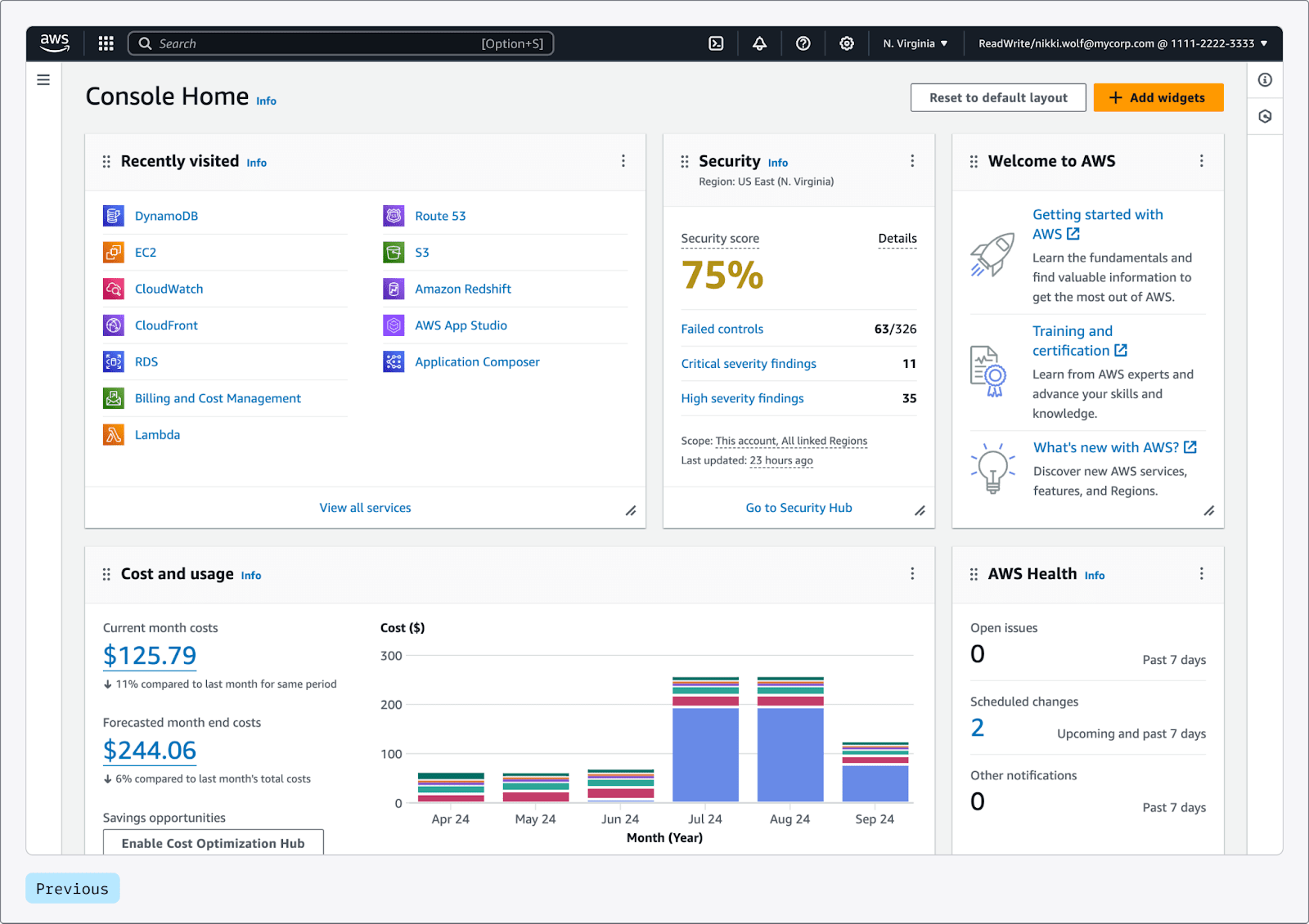
Amazon Web Services (AWS)
Amazon Web Services remains the market-leading cloud platform, empowering startups on every possible level, from hosting simple websites to complex data-driven AI infrastructures.
Key features:
- Comprehensive cloud products: EC2, Aurora, Lambda, containers (EKS, ECS) and data storage via Amazon S3.
- Built-in scalability features like Auto-scaling groups, Elastic Load Balancers.
- Highly secure infrastructure delivering AWS Shield for DDoS protection and Identity & Access Management roles (IAM Roles).
- Extensive network and API integration options.
Pros:
- Vast global cloud framework.
- Strong, proven Reputation and reliability levels.
- Generous startup credits programs ($100k–$250K offered under certain startup qualification programs, scaling further for AI-driven startups).
Cons:
- Pricing complexity often requires specialists for effective cost-management.
- Initial learning curve might feel overwhelming for new startups without existing tech expertise.
Price: Detailed pricing on our AWS pricing page
Ideal for startups: Rapid-growth startups or tech-driven ventures requiring maximum flexibility, scale, and customization (think platforms like Airbnb or Netflix in their very early stages).

AWS helps startups jumpstart their ambitious objectives. Yet caution is encouraged when closely monitoring and managing costs. Leveraging available startup support credits effectively over your growth journey will massively drive rapid growth without notable upfront infrastructural costs, making AWS a highway for exponential scale-ups.
Google Cloud Platform (GCP)
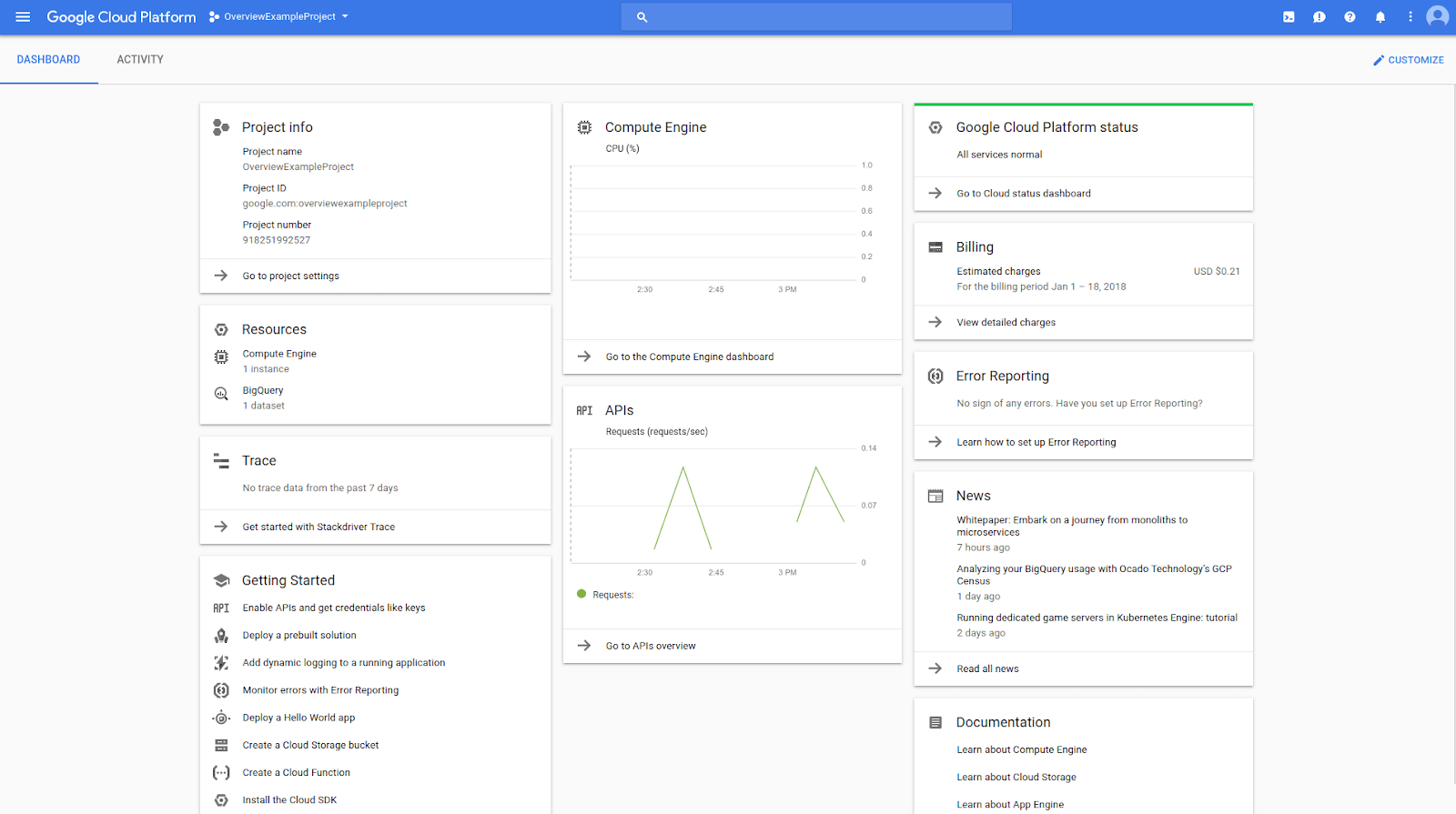
Google Cloud platform simplifies deployments with intuitive interfaces, excelling in data, analytics, Machine Learning, and containerized enterprise solutions, backed by Google's robust ecosystem.
Key features:
- Kubernetes container-orchestration via Google Kubernetes Engine (GKE).
- Powerful data tools: BigQuery, Dataflow, AI APIs for Machine Learning implementations.
- Premium built-in security credentials rigorously met.
- Structured, transparent pricing model.
Pros:
- Best-in-class suitability for analytics, AI/ML-powered projects.
- Large free-credit packages (up to $350,000 over 2 years for qualified AI startups).
- User-friendly, approachable interface reliable for small teams or individual technical leads who prefer ease-of-use.
Cons:
- Slightly limited compared to AWS concerning global coverage.
- Occasionally criticized for slower response in customer-support situations.
Price: Explore detailed planning at GCP pricing page
Ideal for startups: Data-intensive, Machine Learning, and creative SaaS ideas needing clarity in managing costs, previous ease, and transparent pricing.

From extensive experience, I believe GCP holds massive potential for nurturing innovation among startups in analytics, smart applications, web platforms, Machine learning, or AI development. Their generous credit offerings further remove hesitation in onboarding for newcomers.
Microsoft Azure
Microsoft Azure perfectly blends cutting-edge AI capabilities, extensive offering of virtualized infrastructure, and tight integration within Microsoft's productivity ecosystem—preferred by small businesses transitioning smoothly into startups.
Key features:
- Tight ecosystem integration (Teams, Office 365).
- Comprehensive AI and data services: Azure Machine Learning Studio, Power BI, Azure Databases tailored for startups.
- Strong Hybrid capability allowing easy blending between Local and Cloud guided stages.
- Security-focused compliance support, following rigorous enterprise-level norms.
Pros:
- Seamless and natural fit for startups deeply embedded into Microsoft work products.
- Impressive allowance in startup stage crediting programs to control initial infrastructure costs.
- Accidental Hybrid-mode simplicity makes gradual cloud-improvements attractive and reliable.
Cons:
- Pricing models can feel opaque, and careful, ongoing monitoring is needed to avoid budget overruns.
- Some services bring significant learning complexity baked inside broad product sets.
Price: Compare packages on Azure Pricing page
Recommended for startups: Microsoft-oriented workplace startups looking for secure & hybrid-cloud resourcefulness, flexibility, and powerful built-in AI capabilities.

Azure undoubtedly amazes companies deeply invested or familiar in a Microsoft-managed environment. Leveraging their powerful features via Azure’s smart features will design impactful transformation journeys, cautiously balancing initial ramp-up technical challenges.
Other Cloud Computing Platforms You Might Consider
While the three big guys reign above the fray, there also are niche cloud services out there; DigitalOcean for developers-startups, IBM Cloud when you require enterprise integration depth, or Heroku -clear hand-off deployments for all or virtually no IT resources. And also, depending on your unique high adaptability or a simple traction creation, sometimes quick alternative infrastructure previews and competitive, hassle-free pathways will indicate some interesting perspectives.
A Quick Comparison of AWS vs Google Cloud vs Azure for Startups
Expert Cloud Adoption Strategies for Startups
Taking the strategic step into cloud infrastructure early as a startup can be a game-changer for your company's future. It's worth noting that I've observed many success stories among startups. I will elaborate on three priority areas I believe entrepreneurs and tech leaders alike need to consider.
Scalability: Build for growth on day one
From day one, startups require flexibility and scalability to cater to sudden demand and spikes; ultimately, there are periods of unpredictable rapid growth. Using factors like auto-scaling tools, such as AWS Auto Scaling Groups, it's easy to scale in reaction to a traffic surge - which will be increasingly compelling if your app becomes an overnight success. Alternatively, Azure or Google Cloud Platform (GCP) may require slightly more substantial configuration initially to induce similar efforts.
Reduced Costs: Leverage startup cloud credits smartly
Early financial planning for cloud services is essential to protect your company's cash flow in early stages. Platforms like Google Cloud Platform and AWS Activate offer substantial free-credit programs (as much as hundreds of thousands of dollars), which means you can effectively mitigate early spending on infrastructure. Imagine an early-stage AI-based application benefiting from Google's startup credits; you can save a lot of your budget while financially scaling significantly with no upfront investments.
Compliance and Security: Develop strong foundations early
If you are in a regulated industry for example, Fintech or Digital Health, compliance for excellent security & data privacy standards is something that needs to be instilled early within the organization. Here, Azure excels offering a wide range of compliance frameworks, and enterprise level data security coverage, just to meet incredibly stringent regulatory principles. AWS has a very similar outcome as well, but may be set up a little more technically to reach that point like Azure. An example could be using Azure to build secure and compliant scaled fintech startups secure communications and data storage infrastructure from day one, knowing they wouldn’t be non-compliant from the get-go.
FAQs about Cloud Tools for Startups
Which Cloud solution is the best-fit for startup models—AWS, GCP, or Azure?
The ideal solution depends heavily on your startup's specific priorities. AWS offers extensive scalability and infrastructural power, making it optimal if rapid growth and comprehensive built-in solutions matter most. GCP shines brilliantly in user-friendliness, data analytics, AI, and provides substantial startup credit packages, perfect if you emphasize data-driven tools. If integrated productivity, enterprise-level security and smoother hybrid operation intrigue you, Azure could best align with your startup requirements.
AWS vs. Azure: Is AWS better suited than Azure for quick startup scaling?
Generally, AWS leads in providing on-demand scaling resources rapidly and boldly, favored usually by startups aiming at high velocity growth or quick geographical expansion. Azure, while robust and flexible, tends to offer powerful integration and hybrid capabilities best appreciated within Microsoft-centric organizations. Therefore, AWS often fits better if your primary focus involves rapid global scaling.
What are three cloud computing categories relevant for new companies?
The three primary types of cloud computing suitable for startups include:
- Infrastructure as a Service (IaaS): Renting virtual infrastructures (servers, network, storage): AWS EC2, Azure VM.
- Platform as a Service (PaaS): Development environments and tools easing application delivery: Heroku, Google App Engine.
- Software as a Service (SaaS): Ready-to-use subscriptions for specific software solutions accessible in-browser or via APIs: Salesforce CRM, Slack.
Can startups comfortably switch providers later without disruption?
Yes, with thoughtful architecture choices. Modern cloud tools strongly advocate flexible deployment practices and containers (for instance, Docker containers orchestrated via Kubernetes), supporting simple migration or multi-cloud splitting. Always designing initially with portability—opting for Platform Independent approaches—will ensure smoother transitions among providers down the road.
Concluding Thoughts and Personal Recommendation for Startup Founders
Choosing the best cloud computing solution dramatically impacts your startup experience. AWS’s massive reach has overwhelming expectations worldwide, while GCP uses their data capabilities targeting a specific double theme of clearly ambition-data and Intel-tech capacities, only trailing behind the more convenient features from Azure articulated products.
For me, I would direct rapid aggressive-growth startups towards first AWS, and utilize Google’s compelling entry-tier offerings for simplicity and cost-efficiency. For those anticipating deeper Microsoft integrations in the future, Azure may be worth considering. Understanding where your growth priorities lie will make the selection process far more purposeful and prevent costly changes down the line.
For a more in-depth look at the different platforms: